

Pasture Management Mistakes NC Buyers Should Avoid

When you're searching for the perfect horse property in North Carolina, it's easy to get caught up in the barn features, arena footing, and house amenities. But here's what separates successful horse farm owners from those who struggle: understanding that your pastures are the foundation of everything else.
After years of helping equestrian families find their dream properties across the Tar Heel State, we've seen too many buyers overlook critical pasture management factors that can make or break their horse operation. The good news? Most of these costly mistakes are completely preventable when you know what to look for.
The Over-Grazing Trap That Costs Thousands
Over-grazing isn't just about having too many horses on too little land: though that's certainly part of it. It's about not understanding how North Carolina's warm-season grasses recover and grow.
When pastures are grazed shorter than 3-4 inches, something devastating happens beneath the surface. Your horses force the plants to tap into their root reserves instead of using leaf material for energy. Do this repeatedly, and you'll watch your expensive pasture renovation turn into a weed-infested mess within two seasons.
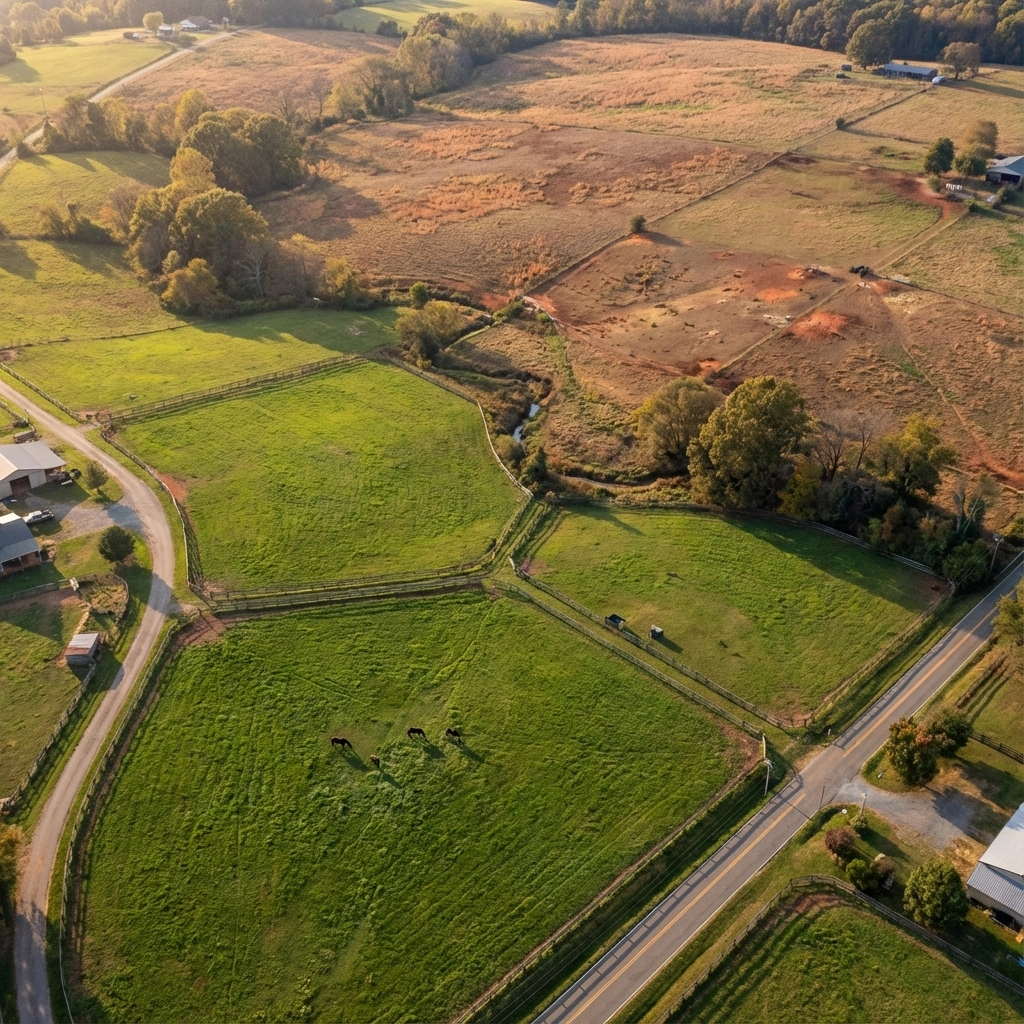
The magic number for NC horse properties? Leave at least 4 inches of growth after grazing, and never let animals graze below 2-3 inches. This isn't just agricultural theory: it's the difference between pastures that feed your horses for decades versus ones that require constant reseeding and chemical inputs.
Over-grazed pastures also create perfect conditions for soil erosion, especially on the rolling terrain we see throughout the Charlotte Metro area and foothills. Once you lose that topsoil, you're looking at expensive soil amendments and years of recovery time.
The Soil Testing Mistake That Blindsides Buyers
Here's a conversation we have with buyers almost weekly: "The pastures look green and healthy: why do I need to worry about soil testing?"
North Carolina's naturally acidic soils tell a different story than what meets the eye. Over time, our soils become increasingly acidic, which locks up nutrients your horses' forage needs to thrive. A pasture might look lush in spring but struggle to maintain protein levels and digestibility by midsummer.
Soil pH below 5.5 requires lime application well before you can expect any pasture improvements. This isn't a quick fix: lime needs time to work through the soil profile, often 6-12 months before you see real benefits.
Smart buyers request recent soil tests as part of their due diligence, or factor soil amendments into their first-year budget. The cost of lime and proper pH management is minimal compared to watching your feed bill skyrocket because your pastures can't support your horses.
Rotation Blindness: Why Subdivision Matters
Drive through established horse country in areas like Waxhaw or southern Iredell County, and you'll notice something: the most successful operations have their pastures divided into smaller sections with good fencing and water access.
Continuous grazing: turning horses out into large pastures without rotation: creates uneven growth patterns, selective grazing, and wasted forage. Horses naturally graze favorite areas down to nothing while avoiding others entirely.
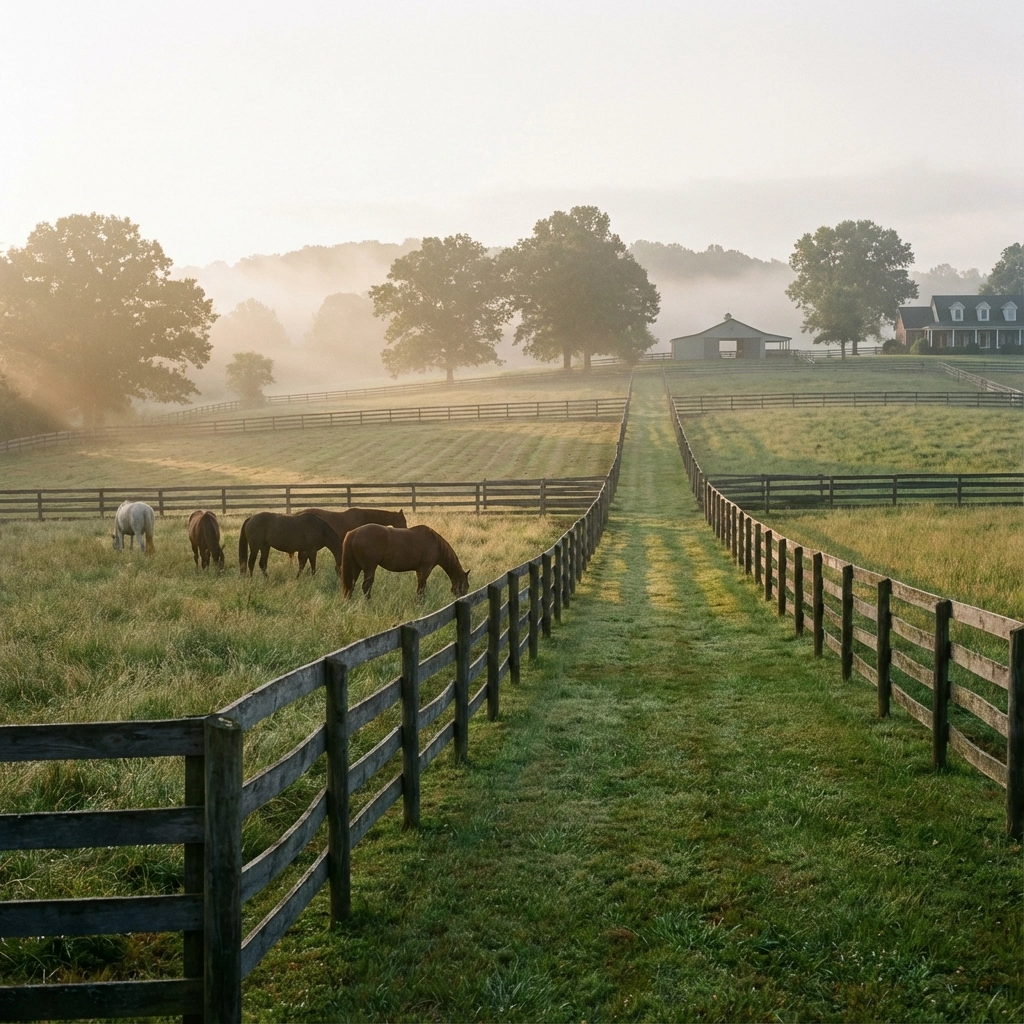
The solution isn't complicated, but it requires planning. Subdividing larger pastures into 3-4 smaller sections allows for 1-3 day grazing periods followed by adequate rest. This system maximizes forage utilization and maintains more consistent grass quality throughout the growing season.
When evaluating properties, look for existing infrastructure that supports rotation, or factor in cross-fencing costs for larger parcels. The upfront investment pays for itself in reduced hay costs and healthier pastures.
Weed Control: Prevention vs. Crisis Management
Nothing reveals poor pasture management faster than fields dominated by weeds instead of quality forage grasses. Yet weed control is where many new horse farm owners make expensive mistakes.
The key is understanding that weed control in North Carolina starts with maintaining healthy, dense grass stands: not just spraying herbicides. Weeds establish in thin spots, overgrazed areas, and compacted soil conditions.
Regular mowing at 3-4 inches serves multiple purposes: it clips weed seed heads before they're viable, promotes even grass growth, and prevents selective grazing patterns. Summer weeds require particular attention before they mature and set seed for next year's problems.
Chemical weed control has its place, but it should be targeted and strategic, not a substitute for good grazing management. Dense, healthy grass stands naturally suppress most weed pressure.
Species Selection: Why Location Matters More Than You Think
One of the most expensive mistakes we see involves buyers assuming that forage species successful in Kentucky, Virginia, or other Mid-Atlantic states will automatically thrive in North Carolina's climate.
Our state's unique combination of hot, humid summers and variable winter conditions requires careful species selection. Cool-season grasses that perform beautifully in Pennsylvania may struggle with our summer stress, while warm-season varieties need to handle our occasional cold snaps.
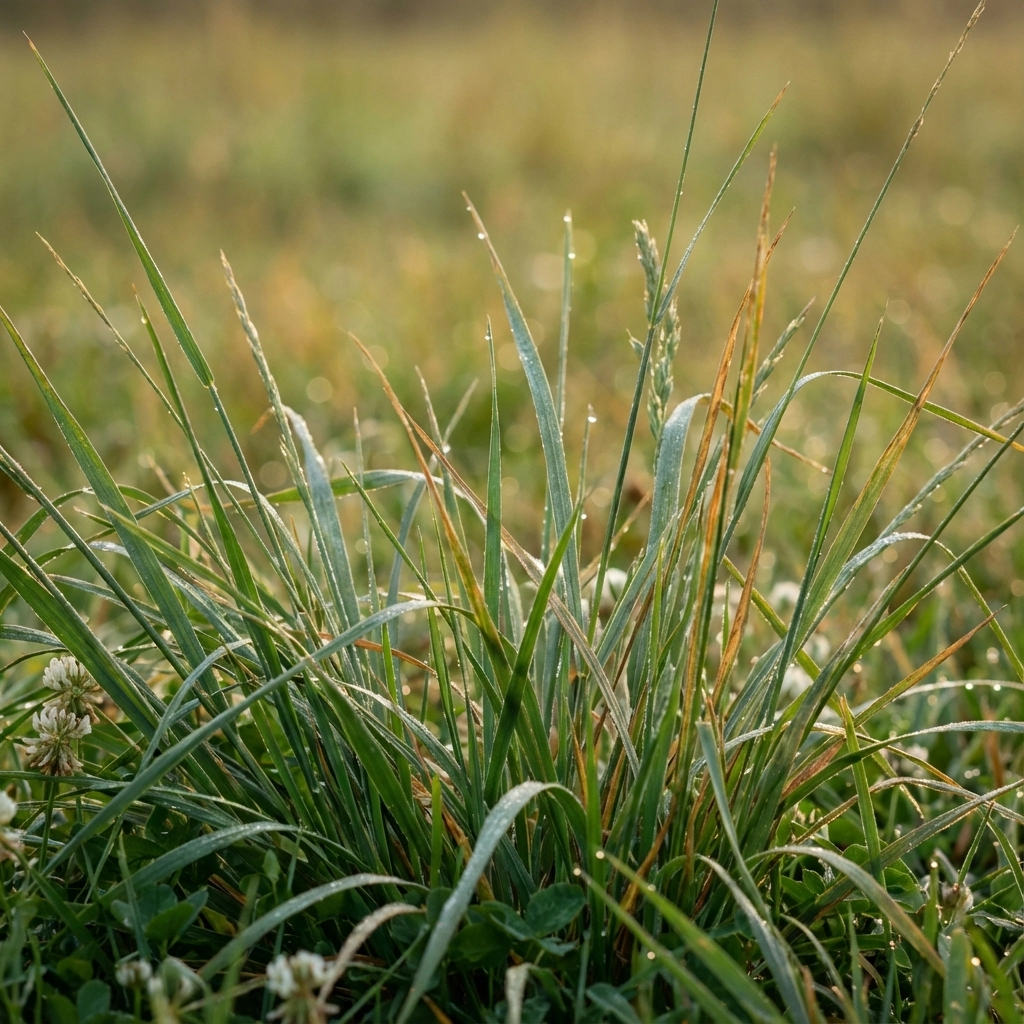
Established properties with proven forage stands offer valuable insights into what works in your specific microclimate. Pay attention to which pastures maintain quality through summer stress and recover well from winter dormancy.
For new plantings or renovations, work with local extension specialists familiar with your county's growing conditions. The cost difference between appropriate and inappropriate species selection can be dramatic over a 5-10 year period.
The Renovation Rush: Patience Pays
Pasture renovation represents a significant investment: often $300-500 per acre for a complete makeover. Yet many buyers rush to graze newly established pastures before root systems have adequate time to develop.
Grazing renovated pastures too early undoes months of work and investment. New plantings need time to establish strong root systems that can handle grazing pressure and recover quickly.
Most cool-season grasses need at least one full growing season before heavy grazing, while warm-season species may require even longer establishment periods. Factor this timeline into your property transition planning, especially if you're moving horses from another location.
Reading the Signs: What Your Pastures Tell You
Experienced horsemen can walk through pastures and immediately identify management issues. Uneven grazing patterns, bare spots near gates and water sources, and areas where horses consistently avoid grazing all tell important stories.
A simple step-point evaluation: stopping every 20 steps to observe plant species and growth stages: reveals whether rotational grazing is working or if adjustments are needed. This technique helps identify problems before they become expensive to fix.
Look for pastures with consistent plant height, minimal weed pressure, and evidence of recent management (proper mowing heights, cross-fencing, water system maintenance).
Making Smart Decisions for Long-Term Success
Successful horse farm ownership in North Carolina starts with understanding that pasture management directly impacts every aspect of your operation: from feed costs and horse health to property values and resale potential.
The best horse properties we represent show evidence of thoughtful, long-term pasture management. These farms maintain lower operating costs, support more horses per acre, and provide better nutrition for their animals.
Whether you're evaluating existing properties or planning improvements to land you already own, remember that good pasture management is both an investment and a skill that develops over time.
Looking for horse properties where previous owners understood these principles? Our team knows which farms across the Charlotte Metro area and beyond have been managed with the long-term view that successful horse operations require.
Categories